
What is Niacin?
Niacin, also known as vitamin B3 or nicotinic acid, is an essential water-soluble vitamin that plays several important roles in the human body:
- Energy Production: Niacin is a precursor to nicotinamide adenine dinucleotide (NAD) and nicotinamide adenine dinucleotide phosphate (NADP), coenzymes involved in cellular metabolism. These coenzymes participate in various enzymatic reactions that help the body convert food (carbohydrates, fats, and proteins) into energy.
- DNA Repair and Synthesis: Niacin is crucial for the repair and synthesis of DNA, the genetic material in cells. Adequate niacin levels are necessary for maintaining the integrity of the genetic information and supporting healthy cell division.
- Skin Health: Niacin is used in some skincare products due to its potential to improve skin health. It can help manage certain skin conditions and is sometimes used to treat acne and other inflammatory skin disorders.
- Nervous System Function: Niacin is important for the proper functioning of the nervous system. Adequate levels of niacin support nerve function and help maintain a healthy nervous system.
- Cholesterol Regulation: Niacin can help lower total cholesterol, LDL cholesterol (often referred to as “bad” cholesterol), and triglycerides while increasing HDL cholesterol (often referred to as “good” cholesterol). This can contribute to a healthier cardiovascular system.
- Antioxidant Properties: Niacin acts as an antioxidant, helping to neutralize harmful free radicals in the body. Free radicals can damage cells and contribute to the aging process and the development of various diseases.
- Digestive System Support: Niacin aids in the proper functioning of the digestive system by promoting a healthy appetite and supporting the normal secretion of gastric juices.
Niacin deficiency can lead to a condition known as pellagra, which is characterized by symptoms such as dermatitis, diarrhea, and dementia. It’s important to maintain an adequate intake of niacin through a balanced diet to support overall health and well-being. Good dietary sources of niacin include meat, fish, poultry, enriched cereals, legumes, and nuts.
Niacin and Cancer
Research on the potential role of niacin (vitamin B3) in cancer prevention and treatment is still ongoing. However, some studies have explored the relationship between niacin and cancer. Here are a few points to consider:
- Cancer Prevention: Some studies suggest that diets rich in niacin might be associated with a reduced risk of certain types of cancer. Niacin’s antioxidant properties are thought to play a role in this potential benefit. Antioxidants help neutralize harmful free radicals, which can damage DNA and contribute to the development of cancer.
- Cancer Treatment: There is ongoing research into the potential use of high-dose niacin as an adjunctive treatment for certain types of cancer. Some studies have investigated the use of niacin in combination with other therapies, such as chemotherapy, to enhance the effectiveness of cancer treatment.
Niacin, Cancer, DNA, and Chemotherapy
The common recognition of niacin’s role in preventing cancer and mitigating the side effects of chemotherapy is encouraging. Extensive research spanning decades has established that niacin deficiency is prevalent in cancer patients, necessitating higher niacin intake to address this deficiency.
Research generally indicates that NAD serves as a safeguard, protecting cellular DNA from mutations and preventing the survival of mutated cancer cells. Niacin deficiency contributes to cancer by reducing genomic stability, thereby increasing the likelihood of mutations and the survival of these mutated cancer cells.
Studies show that niacin deficiency hampers DNA repair processes, leading to the accumulation of DNA strand breaks, chromosomal translocations, and telomere erosion, typical signs of aging and cancer development. Rat model studies demonstrate that these forms of genomic instability can be significantly reduced by maintaining recommended niacin levels. Additionally, niacin deficiency elevates levels of the tumor suppressor p53. Studies in mice suggest that even mild niacin deficiency can enhance the incidence of skin cancer induced by ultraviolet-B radiation.
Research findings indicate that nearly all cancer patients are niacin deficient at the time of diagnosis, and even after supplementation with recommended dietary allowance (RDA) levels of niacin, almost half remain deficient. These findings strongly advocate for niacin supplementation in the form of a high-dose NAD precursor. Adequate dosing is likely to offer significant health benefits to all cancer patients.”
Published Articles/Reports Supporting Niacin Role in Cancer
- https://www.nature.com/articles/s41467-023-37595-6 In conclusion, our findings encourage investigating NRK2-targeted therapeutic options to improve disturbed energy metabolism in CC. In addition, the results demonstrate that NA has a therapeutic effect on both cancer- and chemotherapy-induced cachexia in mice.
- https://lpi.oregonstate.edu/mic/vitamins/niacin NAD is the sole substrate for PARP enzymes and sirtuins involved in DNA repair activities; thus, NAD is critical for genome stability. Several studies, mostly using in vitro and animal models, suggest a possible role for niacin in cancer prevention. In a recent phase III trial, a daily pharmacologic dose of nicotinamide was found to reduce the rate of premalignant skin lesions and nonmelanoma cancers in high-risk subjects.
- https://medicalxpress.com/news/2023-09-vitamin-natural-killer-cells-cancer.html
- https://www.townsendletter.com/article/469-70-niacin-cancer-and-dna-repair/ Here’s where niacin/niacinamide comes in. Vitamin B3 is the essential molecular precursor to nicotinamide adenine dinucleotide (NAD). All roads in longevity research consistently point to the importance of NAD in controlling lifespan, the most bioenergetically demanding processes (muscle and nerve), and susceptibility to all disease, including cancer.
- https://bmccancer.biomedcentral.com/articles/10.1186/s12885-022-10265-4#:~:text=A%20study%20conducted%20by%20Surjana,recurrences%2C%20and%20improve%20survival%20rates. Our study found that higher intake of dietary niacin was associated with lower risk of mortality from all-causes and cancer mortality.
- https://www.tandfonline.com/doi/abs/10.1080/07315724.1993.10718330 Studies of the consequences of DNA damage in cultured mouse and human cells as a function of niacin status have supported the hypothesis that niacin may be a protective factor that limits carcinogenic events.
- https://www.nature.com/articles/srep43173 In conclusion, our results reveal a novel function of NA (Nicotinic Acid) in regulating tumor cell invasion, and support the potential application of NA as a therapy for malignant glioma.
- https://pubmed.ncbi.nlm.nih.gov/12791512/ This study has shown that bone marrow cell populations are sensitized to ENU treatment by Niacin Deficiency, that NAD+ pools are regulated in response to DNA damage, and that NAD+ localization and/or utilization in the nucleus is altered during ND and chronic DNA damage.
- https://pubmed.ncbi.nlm.nih.gov/8527495/ These methods will now allow assessment of niacin metabolism in humans that could lead to a new understanding of niacin in prevention of cancer.
- https://pubmed.ncbi.nlm.nih.gov/10453439/ Two potential mechanisms by which niacin prevents tumor formation were identified….Topical nicotinamide (niacinamide) has demonstrable preventive activity against photocarcinogenesis in mice.
- https://www.researchgate.net/publication/340366410_Control_of_brain_tumor_growth_by_reactivating_myeloid_cells_with_niacin Monocytes from glioblastoma patients had increased interferon-α14 upon niacin exposure and were reactivated to reduce BTIC growth in culture. We highlight niacin, a common vitamin that can be quickly translated into clinical application, as an immune stimulator against glioblastomas.
Social Media Groups to join to get more Information about Niacin
Instructions on How to Request to Join Facebook Groups:
These Groups are all Private Groups, which means that you have to request to “Join”. Joining these groups is a Crucial step to speaking to Survivors. Here are the Steps to Joining a group and starting to communicate and get information:
- Click on the Link and Make sure you are signed into Facebook
- Click Request to Join-You will then get a list of Questions that the Group Admin designs. These are designed to make sure you are real and have personal interest in Joining the group.
- Fill out ALL the questions that are asked. Be Sincere and Honest. You are looking for Help for you or a loved one and tell them that.
- You will be approved almost all the time if you are real and sincere. Approval could be instant or take up to a few days. It all depends on the Group Admins and Group membership settings
Instructions on what to do When you are Accepted to Join Facebook Groups:
Once accepted to the Group you will receive a Notification that Admins have approved your request to Join! Here are the next steps to getting integrated into the group and getting information.
- Go to the Group homepage. Get familiar with the pages within the group. There is often very valuable information and documents uploaded and available here. For example: Discussion, Featured, Events, Media, Files..
- Reach out to the Group Admin and introduce yourself. Find the admin on the “Members” page. The message should introduce yourself, thank them for allowing you into the group and briefly explain your situation and ask for guidance. The often are very knowledgeable on Alternative Treatments.
- Post your first post into the group. Be honest and sincere and ask for help. Tell about your situation and journey and ask for Advice. Don’t be afraid to ask for Success Stories. They are there and the Survivors are very willing to help and give advice.
- Use the Search bar )Magnifying Glass” to search fro prior posts and chats that may be useful to you. Search your type of Cancer, search for specific treatment types, search for Success stories. Sort by most recent.
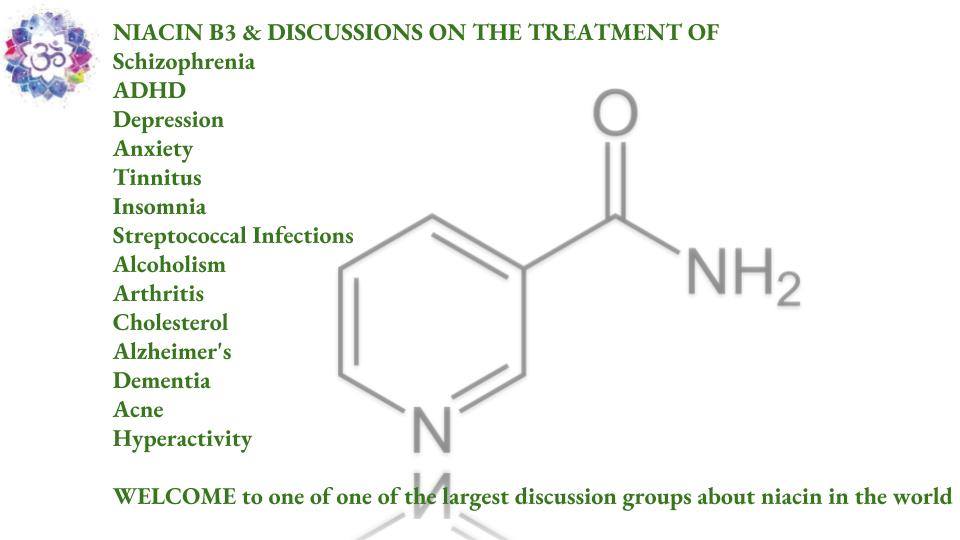
Niacin B3 Discussions
Group Type: Private- 27k+ Members
Admin: Jeniffer Bohling
Admin/Moderator: Dan Root
Treatment Types: Niacin (Vitamin B3)